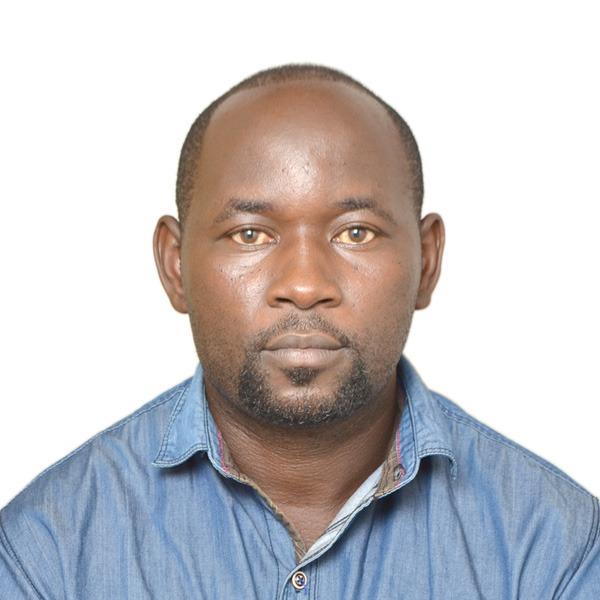
 Sylvain Ndegeya
Every journey begins with a single moment of clarity. For me, that moment came when I witnessed the stark contrast between children with disabilities living in centers versus those living with their families in rural Rwanda.
The Moment That Changed Everything
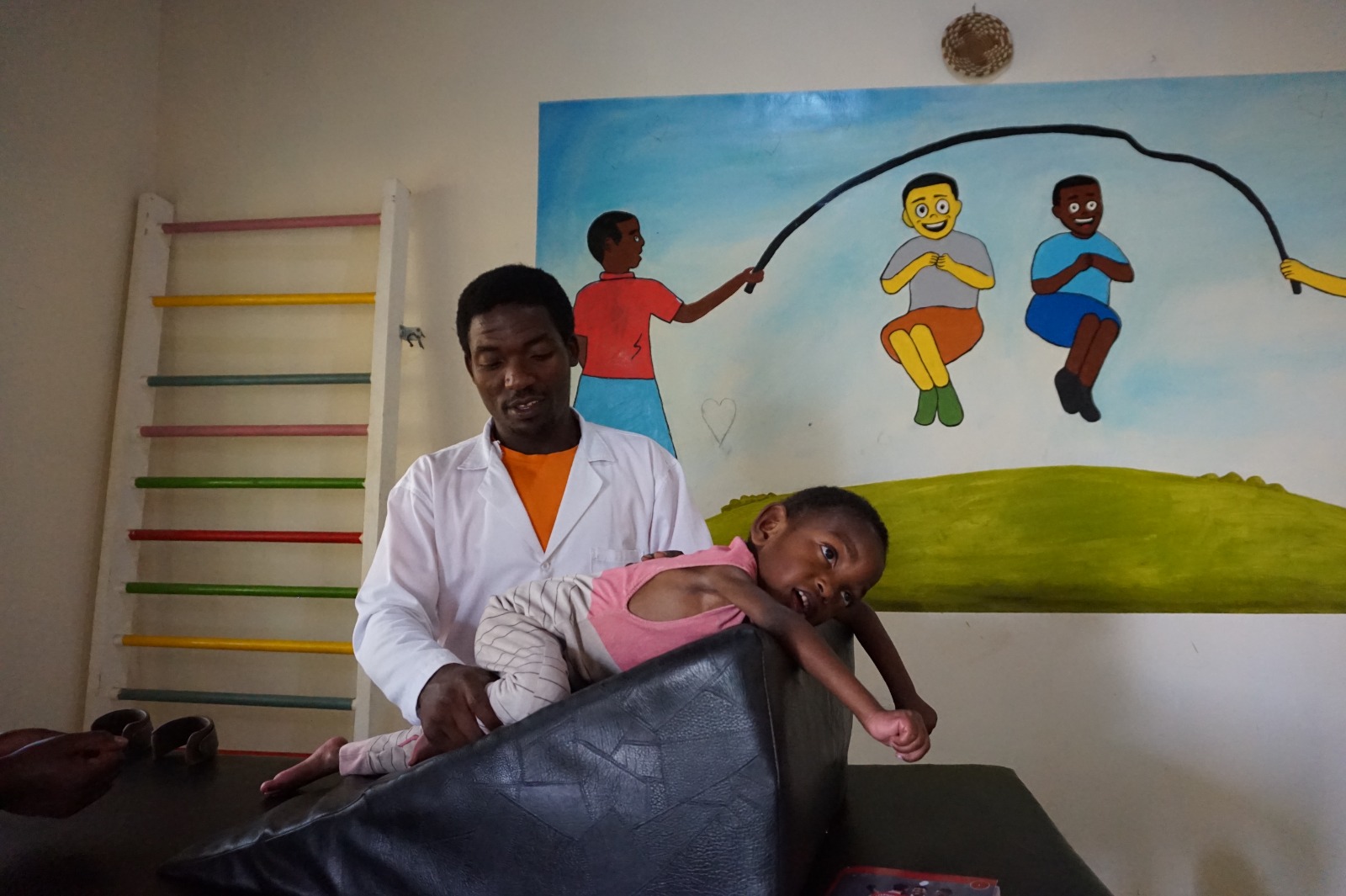
As a physiotherapist working with people with disabilities in various centers across Rwanda, I thought I understood the challenges they faced. I provided rehabilitation services, helped with mobility exercises, and saw progress in many of my patients. But I was only seeing part of the picture.
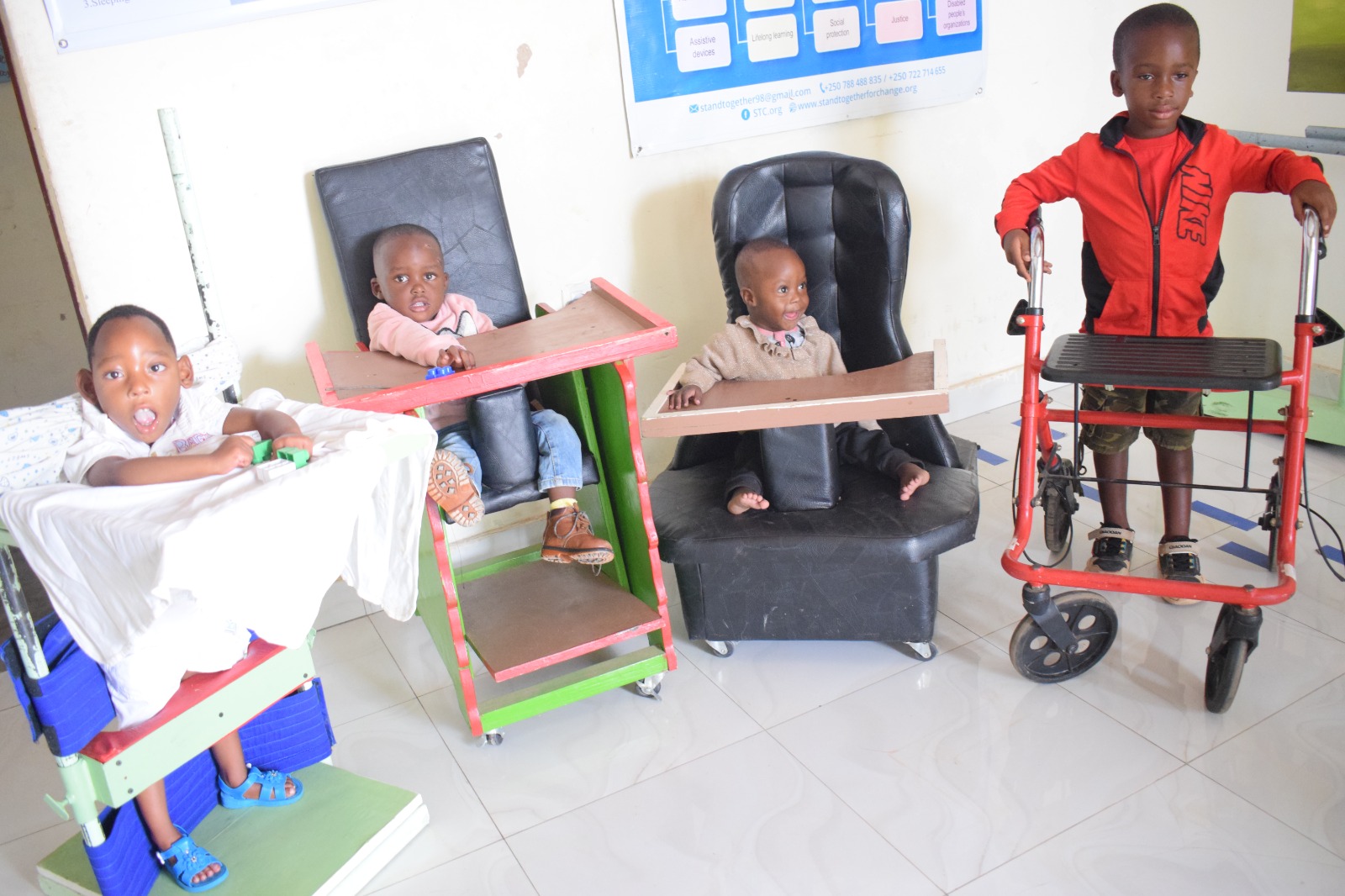
The turning point came when parents started arriving at the center with their children with disabilities, desperately seeking help. They weren't just asking for rehabilitation services—they were asking for food, clothing, medical care, and some even pleaded for their children to stay at the center because they couldn't provide adequate care at home.
"The centers replied that there was no help because even taking care of children in the center was difficult. That's when I realized: we were failing the most vulnerable."
The Stark Reality
I began comparing the lives of children with disabilities in two different situations:
Children in Centers
- Regular meals and nutrition
- Clean clothing and shelter
- Access to education
- Medical care when needed
- Daily rehabilitation services
- Social interaction and activities
Children with Families
- Inconsistent meals, often hungry
- Inadequate clothing and shelter
- Excluded from schools
- No access to medical care
- No rehabilitation services
- Social isolation and stigma
This comparison haunted me. Why should a child's access to basic needs and rehabilitation depend on whether they lived in a center or with their family? Why were we abandoning children with disabilities from poor families?
The Birth of an Idea
The idea of Stand Together for Change didn't come from a business plan or a strategic analysis. It came from a deep sense of injustice and a burning desire to do something about it.
I started asking myself difficult questions:
- What if we could bring rehabilitation services to families instead of requiring families to come to centers?
- What if we could empower families economically so they could provide for their children?
- What if we could advocate for inclusive education so children with disabilities could attend regular schools?
- What if we could create a support system that addressed not just the medical needs but the holistic needs of these families?
From Idea to Action
In January 2020, with nothing but passion, professional knowledge, and the support of like-minded friends and family members, we launched Stand Together for Change. We had no funding, no office, no equipment—just a commitment to make a difference.
Our First Steps:
- Identified families with children with disabilities in rural areas
- Conducted home visits to assess needs
- Provided basic rehabilitation services using minimal equipment
- Educated parents on therapeutic exercises they could do at home
- Connected families with each other for mutual support
The Challenges We Faced
Starting STC wasn't easy. We faced numerous challenges:
1. Financial Constraints
With no initial funding, we relied on personal contributions and volunteer time. Every transport cost, every piece of equipment, every meal during outreach came from our own pockets or donations from friends.
2. Stigma and Misconceptions
Many communities held deep-seated beliefs about disability being a curse or punishment. We had to work patiently to change mindsets and educate communities about the true nature of disabilities.
3. Geographic Barriers
Rural areas in Rwanda can be difficult to access, especially during rainy seasons. Yet these were precisely the areas where our services were most needed.
4. Systemic Barriers
Schools weren't equipped for inclusive education. Healthcare facilities lacked specialized services. Government support systems were limited. We had to advocate for change at multiple levels.
The Victories That Keep Us Going
Despite the challenges, we've witnessed transformations that make every struggle worthwhile:
What I've Learned
This journey has taught me invaluable lessons:
- Passion is not enough—you need persistence. There will be days when nothing seems to work, when funding falls through, when families can't be reached. You have to keep going.
- Community-based approaches work. Bringing services to families rather than requiring families to come to centers removes barriers and increases impact.
- Holistic support is essential. You can't just address medical needs and ignore economic, educational, and social needs. Everything is connected.
- Families are the best advocates. When you empower parents with knowledge and resources, they become powerful advocates for their children.
- Change takes time. Shifting mindsets, building systems, and creating sustainable impact doesn't happen overnight. Patience and consistency are key.
The Vision Ahead: Bethlehem Center
Today, we're working toward establishing the Bethlehem Center of Rehabilitation—a permanent home where we can provide comprehensive services including:
- Advanced rehabilitation facilities
- Inclusive early childhood development programs
- Family counseling and support services
- Vocational training for older children and parents
- A model for community-based disability support that can be replicated across Rwanda and beyond
A Call to Action
My journey from physiotherapist to disability advocate has shown me that one person's decision to act can create ripples of change. But I can't do this alone. We can't do this alone.
Join Our Mission
Whether you're a donor, volunteer, partner organization, or simply someone who believes in equal opportunities for all children—we need you.
Final Thoughts
Breaking barriers isn't about grand gestures or overnight transformations. It's about showing up every day, listening to families, adapting to challenges, and never losing sight of why we started.
Every child with a disability deserves the same opportunities as any other child. Every family deserves support, not judgment. Every community deserves to be inclusive.
This is why I transitioned from physiotherapist to disability advocate. This is why Stand Together for Change exists. And this is why we won't stop until every child in Rwanda—regardless of ability or economic status—has the chance to thrive.
Thank you for being part of this journey. Together, we are breaking barriers and building a more inclusive Rwanda.
— Sylvain Ndegeya
Founder & CEO, Stand Together for Change